Before Getting On The Ice
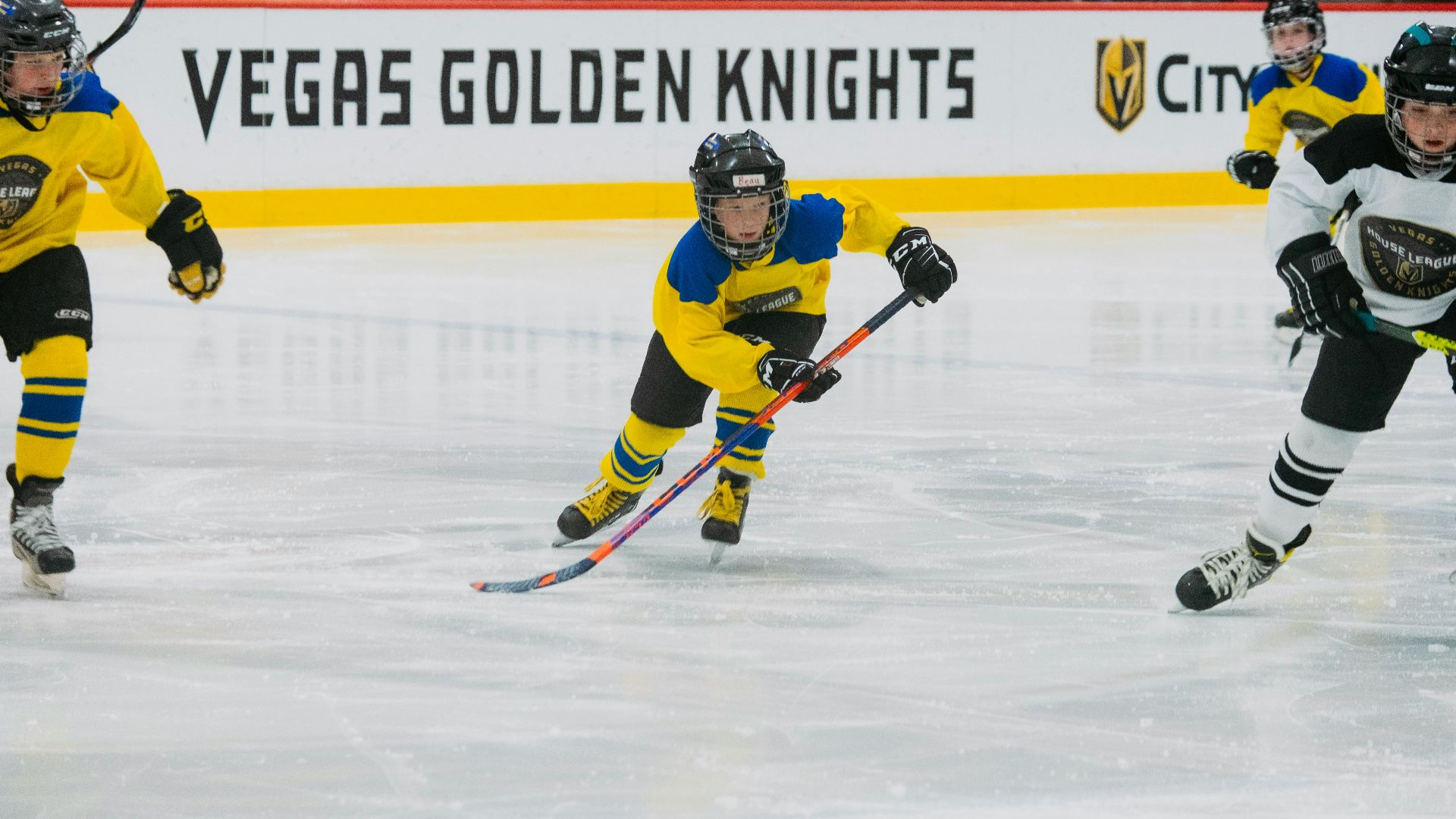
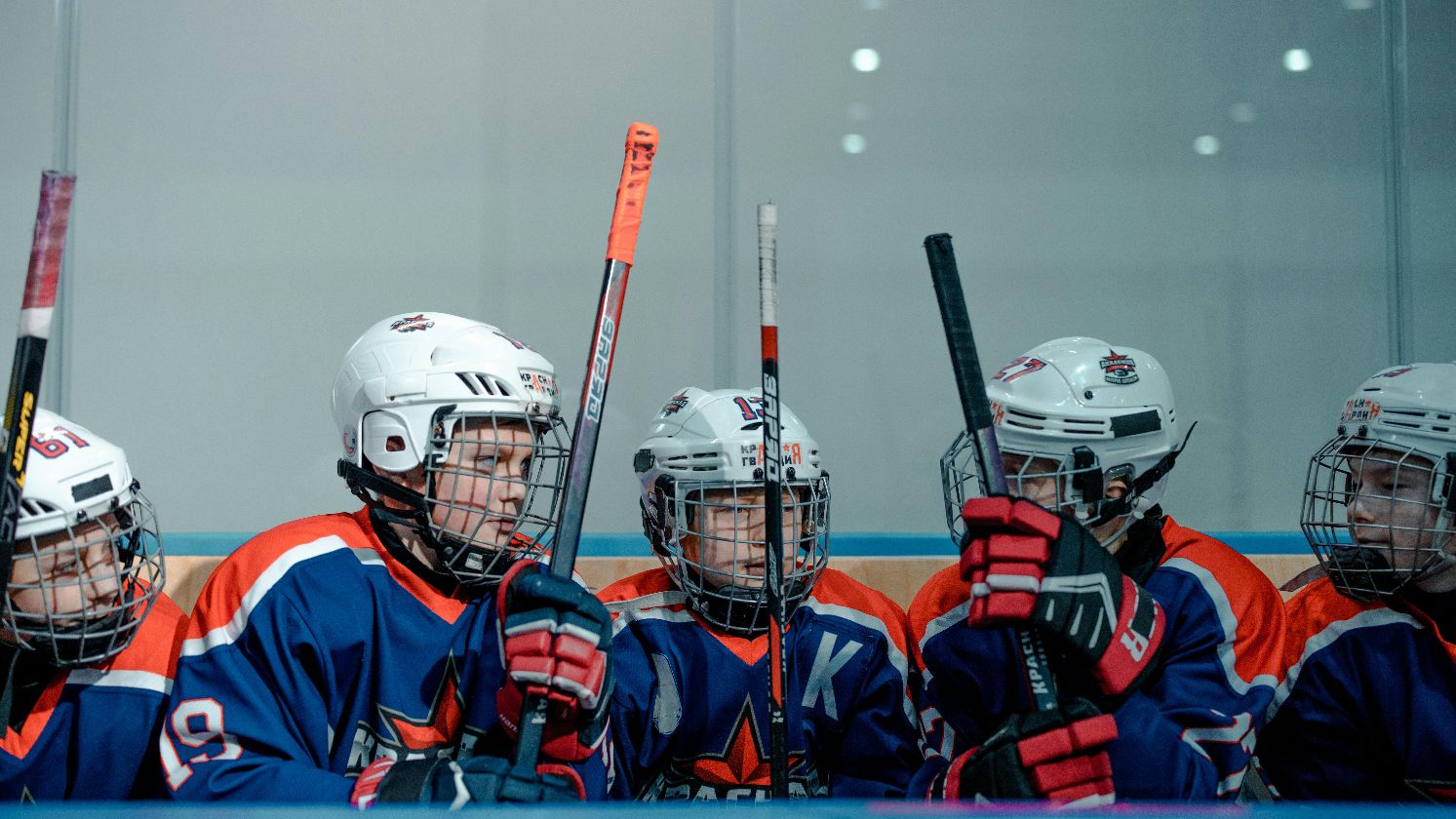
Not a fan of the heat? Hockey might just be the sport for you. This beloved winter sport is a wonderful blend of athleticism, teamwork, and the occasional dramatic spray of ice that makes everyone feel like they’re in a movie. If your child is showing interest, there's first a little preparation that you, as the parent, need to consider. Here are five practical things to know so the experience stays fun, safe, and pleasantly organized.
1. Start With Skating, Not Scoring
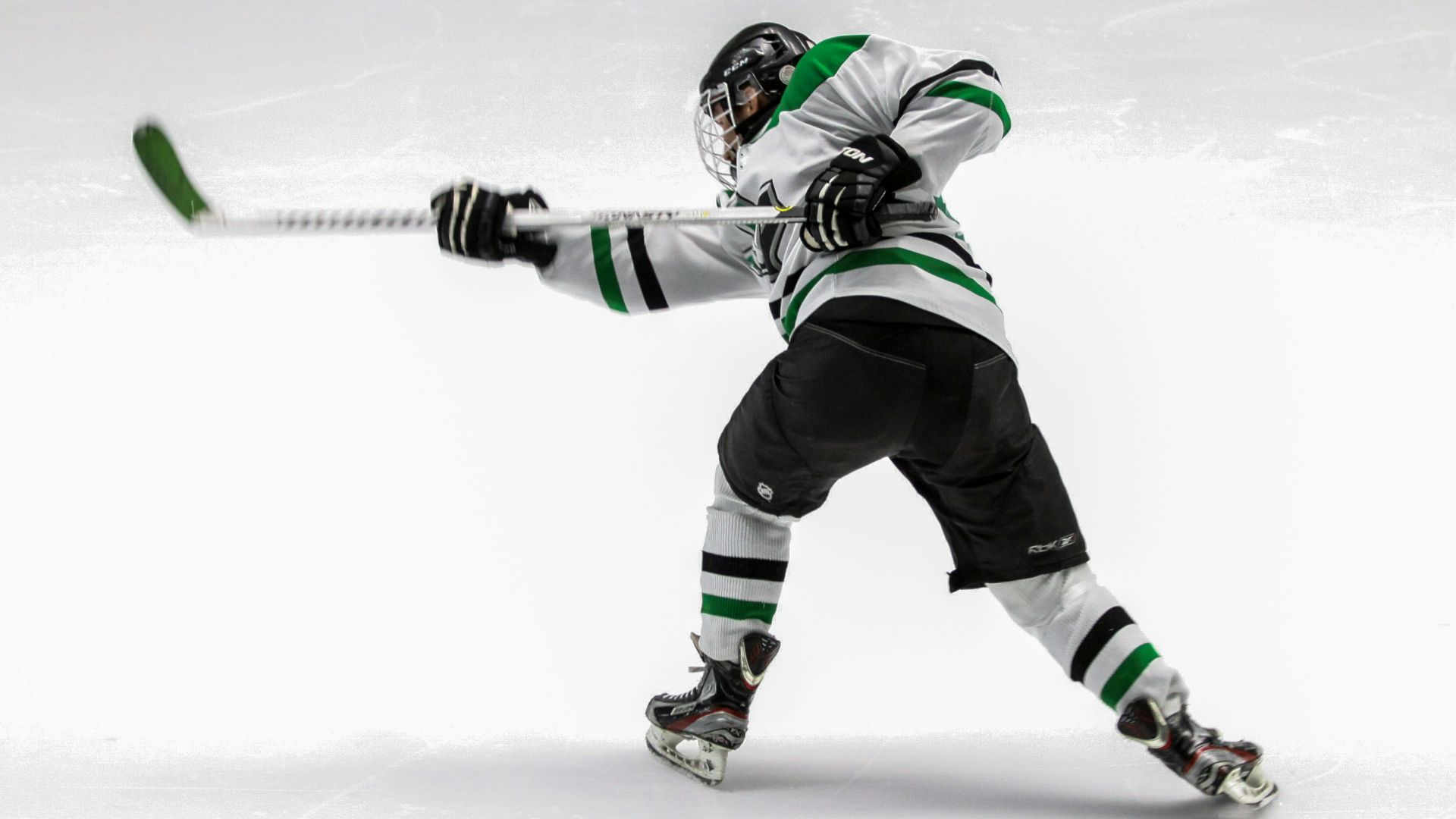
Before anyone worries about slapshots, your child should first feel comfortable simply moving on the ice. Don't underestimate how difficult that can be to learn! Many programs recommend a basic “learn to skate” class first, because balance and stopping are two hurdles your child will need to overcome.
 LOGAN WEAVER | @LGNWVR on Unsplash
2. Budget for Gear
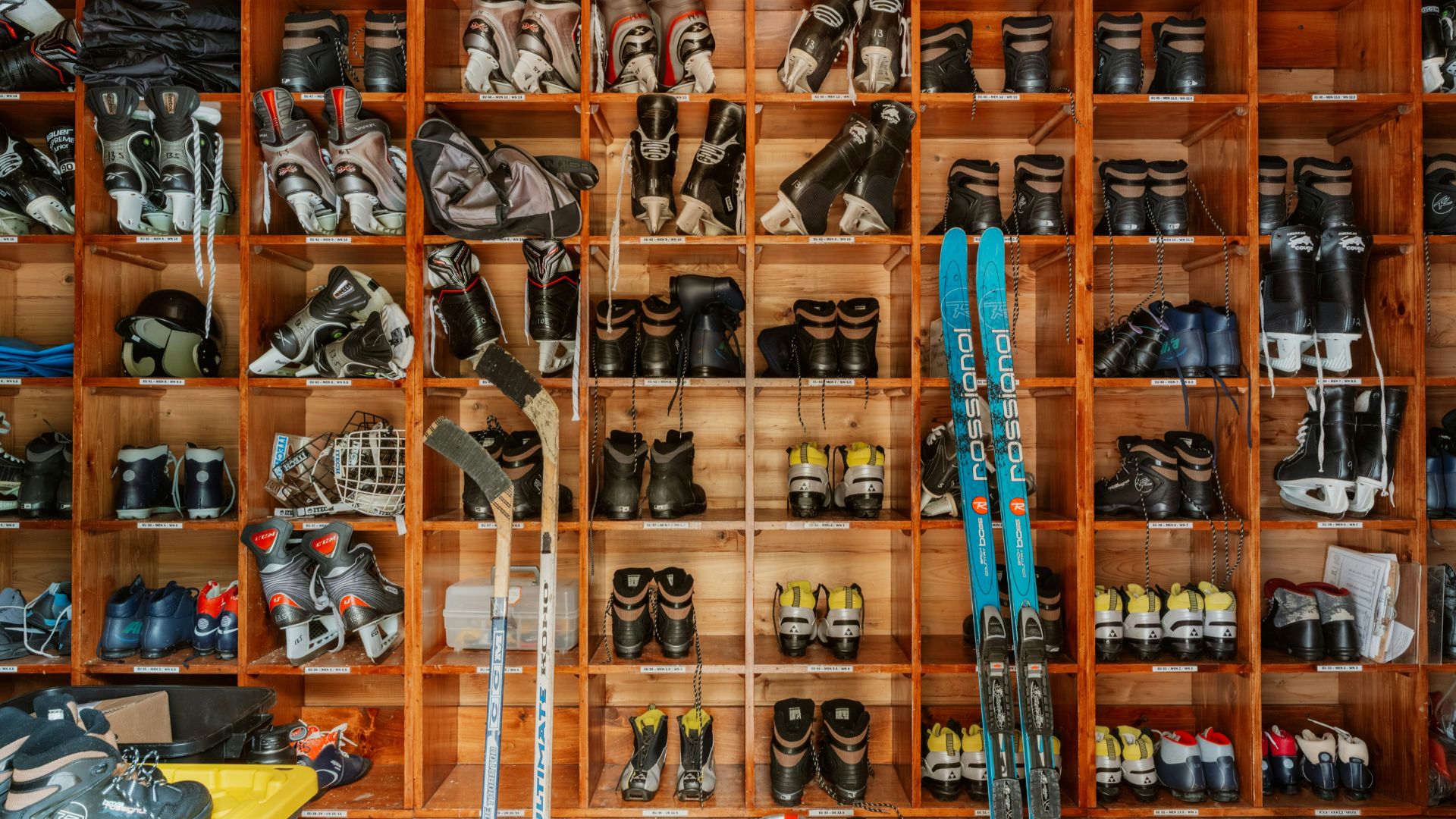
Hockey equipment is wonderfully protective, but with better quality gear comes a much higher price tag. Not only are there a lot of pieces you'll need to buy, you'll also need to make sure you've got enough trunk space to fit everything! If you're looking to budget, consider saving money by buying used gear, joining swap events, or asking the association about rental programs.
3. Choose the Right Program for Their Age and Personality
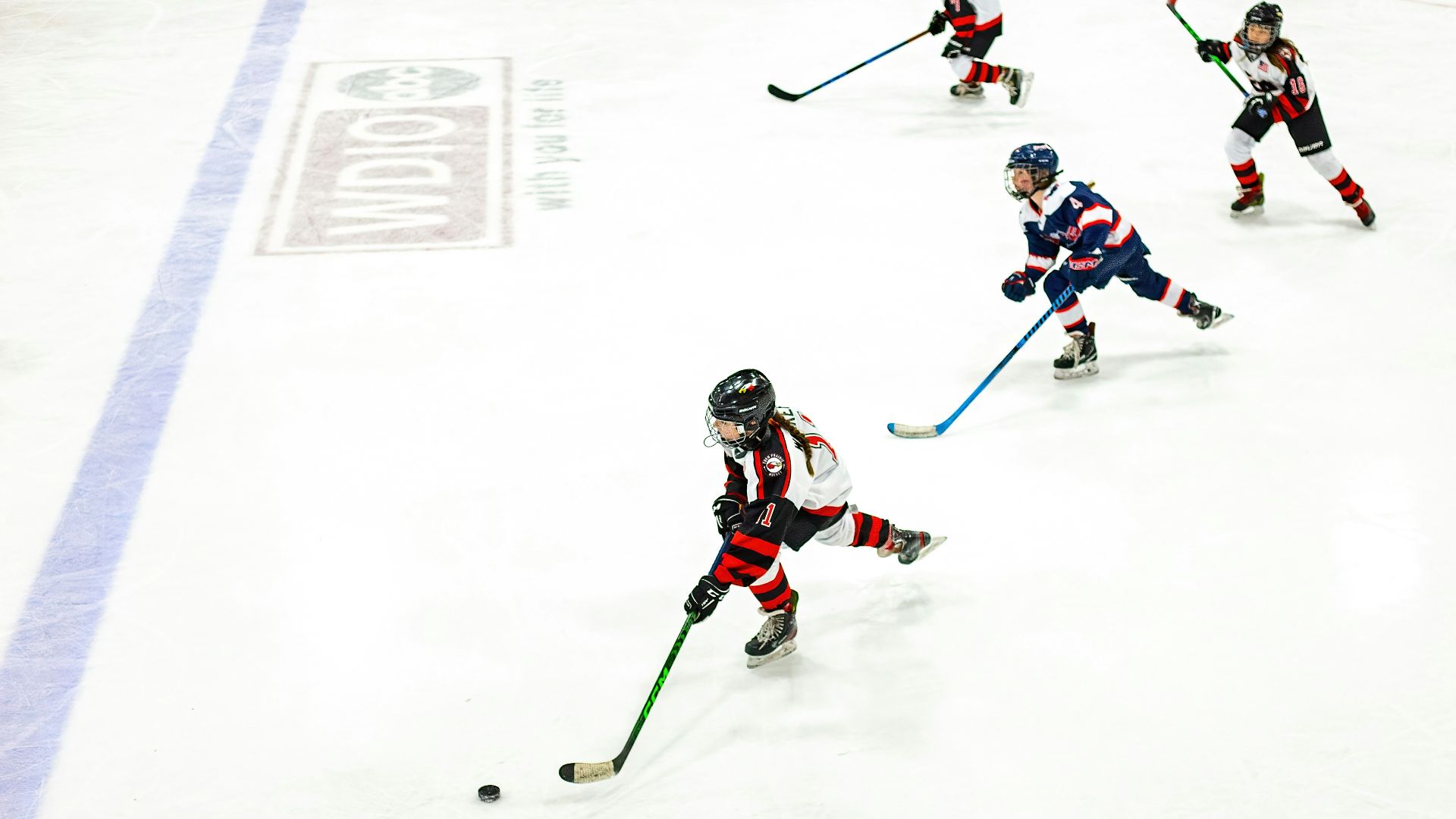
Not every child wants to be highly competitive right away, in fact, many thrive in recreational or “skills-first” programs. Look for coaching styles that emphasize development, sportsmanship, and fun—especially in the early years. Make sure you communicate well with your child to make sure they're enjoying whatever program you find.
4. Understand the Time Commitment
Between practices, games, and the occasional tournament, hockey can quickly fill up your calendar space. Carpools and shared schedules will become your best friends, second only to whoever remembered the water bottle. Planning ahead is the best way to ensure things end up composed instead of chaotic.

5. Keep Safety and Sportsmanship at Center Ice
Hockey is certainly an exciting sport, so it's important you as the parent don't get swept away in the energy of it all. Make sure helmets are always properly fitted, mouthguards are in, and pads are on. As kids progress, learning safe play—like keeping heads up and respecting contact rules—reduces injuries and builds confidence. Just as important, remind them that being a great teammate is the most impressive stat of all.