

Fun But Dangerous
Everyone in America loves football, and for good reason! It's an exciting sport that rewards teamwork, discipline, and athletic skill; however, it also comes with real physical risks that players, parents, and coaches should understand. With good training and smart rules, many hazards can be reduced, but they can’t be eliminated entirely. Here are five practical reasons football can be dangerous, presented with a calm and cheerful sense of realism.

1. High-Impact Collisions
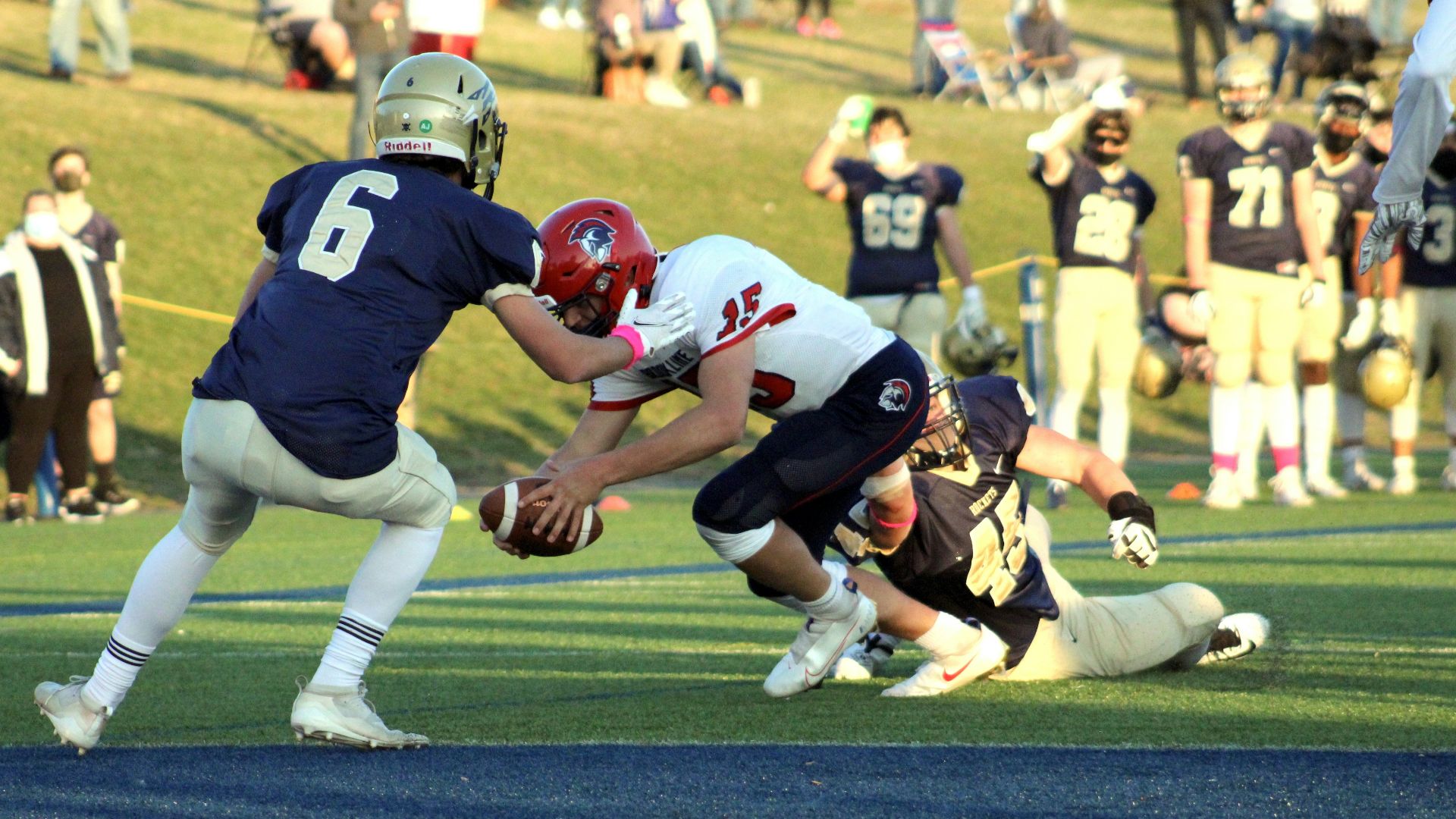
Football involves frequent contact, with collisions occurring on nearly every play. Even with proper technique, a hit can land at an unexpected angle or with more force than anticipated. This increases the risk of acute injuries like bruises, sprains, and fractures.

2. Concussion Risk and Head Injuries
Concussions are a well-known concern in football because head contact can happen during tackles, blocks, and falls. Even if you try to prevent it, the game is too unpredictable! Even with improved helmets and protocols, head injuries remain a serious issue.

3. Stress on Joints and Ligaments
Football places heavy demands on knees, ankles, shoulders, and hips due to cutting, pivoting, and sudden stops. Sadly as a result, ligament injuries, such as ACL tears, can happen in a single moment and may require long rehabilitation. Shoulder injuries are also common because of repeated tackling and blocking. These joint stresses can affect mobility and comfort well beyond the season.
4. Heat Illness and Dehydration
If you don't like exerting energy in hot conditions, football isn't for you. Practices and games often take place during late summer and early fall, and intense exertion combined with heavy equipment can raise body temperature quickly. Without careful hydration, rest breaks, and monitoring, players can develop heat cramps, heat exhaustion, or more severe heat illness.

5. Overuse Injuries and Limited Recovery Time
Football seasons involve frequent practices, weight training, and games, sometimes with additional camps or tournaments. That's a lot! When recovery is rushed after an injury, smaller issues like tendon irritation and muscle strains can become persistent problems. A packed schedule can make it harder for the body to fully reset.